ETP Plant About
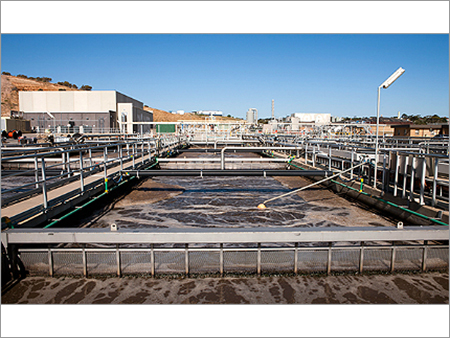
Effluent Treatment Plant (ETP) is an industrial facility designed to clean and purify wastewater generated by manufacturing, pharmaceutical, chemical, and textile processes before it is safely reused or discharged into the environment.
Superior COD Removal & Discharge ComplianceAchieve up to 90% chemical oxygen demand (COD) removal using our integrated treatment process, which includes sedimentation, aeration, filtration, and activated sludge technology. Our ETP ensures that outflow water consistently adheres to CPCB and local environmental regulations, safeguarding your reputation and the environment.
Flexibility, Automation, and Easy OperationBuilt for adaptability, the ETP comes in modular, prefabricated sections with flow capacities from 1 to 10 m3/hr, suitable for various industrial and municipal applications. Choose between automatic or semi-automatic operations, with PLC-based controls available for seamless and reliable performance. Maintenance is minimal, featuring periodic filter and membrane cleaning.
Versatile Applications & Robust DesignOur ETP is compatible with FRP, HDPE, Mild Steel, or PVC materials and can be supplied in white, blue, or green, designed to meet space and site-specific requirements. The plant is ideal for distributors, importers, manufacturers, service providers, and suppliers handling municipal or industrial waste streams.
FAQ's of ETP Plant:
Q: How does the ETP plant ensure compliance with local and national discharge standards?
A: The plant uses a combination of sedimentation, aeration, filtration, chemical treatment, and activated sludge processes to remove up to 90% COD and reduce contaminants, ensuring that outflow water meets CPCB as well as local and national environmental standards.
Q: What is the process flow of wastewater treatment in this ETP plant?
A: The treatment starts with pre-treatment for oil and grease removal, followed by sedimentation and aeration to separate suspended solids, then chemical dosing and advanced filtration, and finally activated sludge processing to eliminate organic matter and ensure high-quality effluent.
Q: Where can this ETP plant be installed, and what are the application areas?
A: The plant can be installed at chemical factories, textile industries, municipal wastewater facilities, and various industrial setups that require efficient effluent treatment to meet regulatory discharge norms.
Q: What are the benefits of using a PLC-based automatic control system in the ETP?
A: A PLC-based automatic control system streamlines operations, minimizes human error, provides real-time monitoring, and ensures optimal performance and reliability, enabling you to maintain consistent water quality with reduced manual intervention.
Q: When is pre-treatment required for effluent processing with this plant?
A: Pre-treatment is essential before the primary treatment, especially for effluents containing high levels of oil, grease, or large particulates. This step ensures efficient operation and extends the lifespan of downstream filtration and membrane components.
Q: How often does the ETP require maintenance?
A: The plant has low maintenance needs, mainly involving periodic cleaning of filters and membranes. The frequency depends on the effluent load and operating hours, but routine checks are recommended to ensure stable performance.
Q: What is the typical operational temperature range and flow rate of the ETP plant?
A: The plant operates efficiently between 5C and 40C, and supports customizable flow rates from 1 m3/hr up to 10 m3/hr, depending on the model and design specifications.





 Send Inquiry


 Send Inquiry